
Shifting the human role from managing the flow to managing the outcome
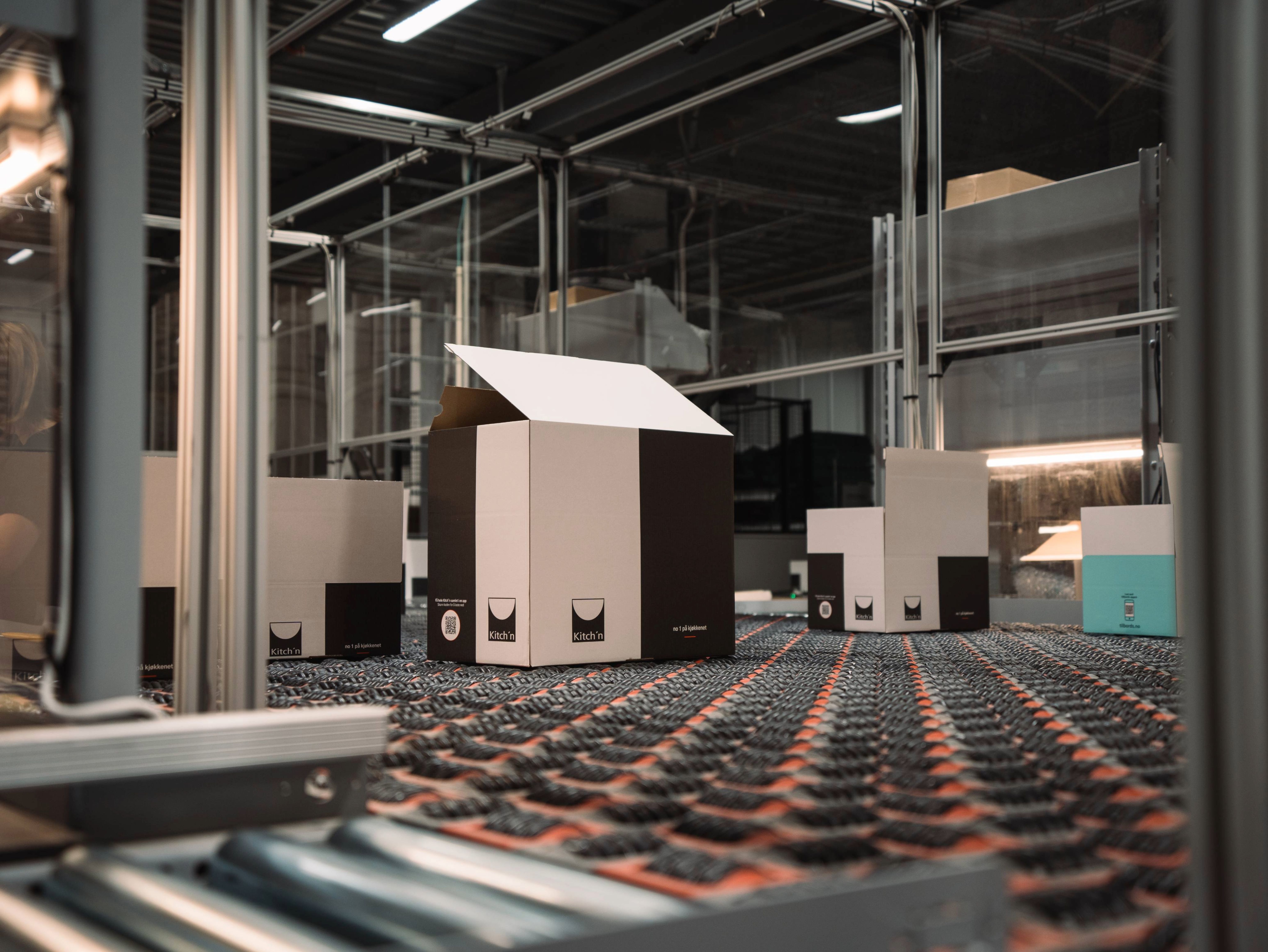
When conventional automation requires operators to manage the material flow , who is left to manage the outcome?
Conventional automation is excellent at doing exactly what it’s been programmed for. But it can’t act beyond that pre-programming. It grinds to a halt when today's complex material flows go off script. And humans are left to manually keep the flow moving and clean up interruptions.
The problem goes beyond a machine’s operational inefficiency. It’s a design problem. Automation built to follow scripts can’t adapt and leaves the wrong tasks for the humans.
An autonomous system is designed differently. With the OmniSystem, AI-driven intelligence observes, learns, and makes decisions in real-time. The autonomy absorbs the operational complexity of the flow. It autonomously adapts routing decisions and flow balancing and handles exceptions before they turn into interruptions.
Now, operators are freed to focus on oversight, quality decisions, and cases where human judgement and context matter.
That shifts the human role from managing the flow to managing the outcome.
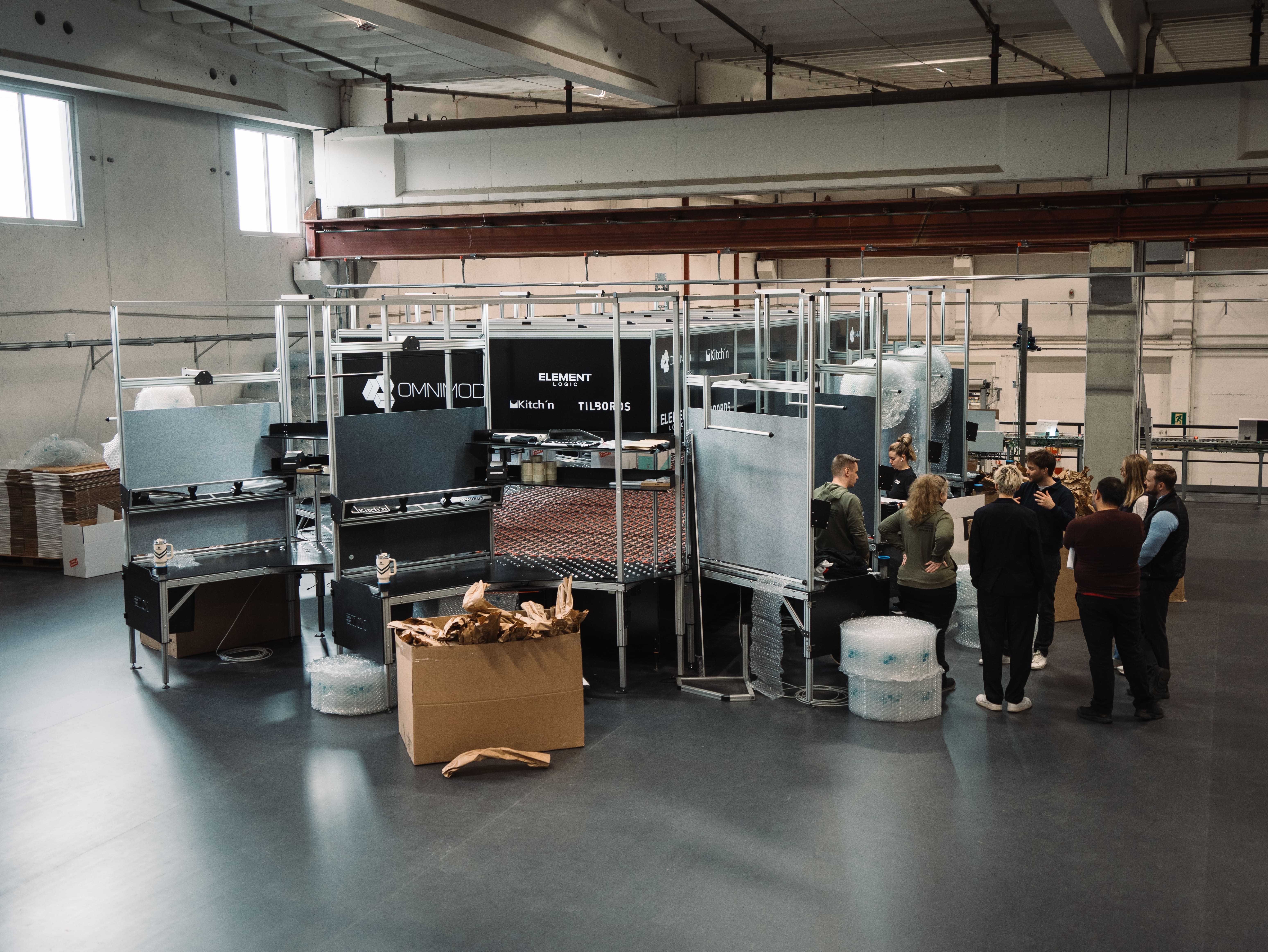
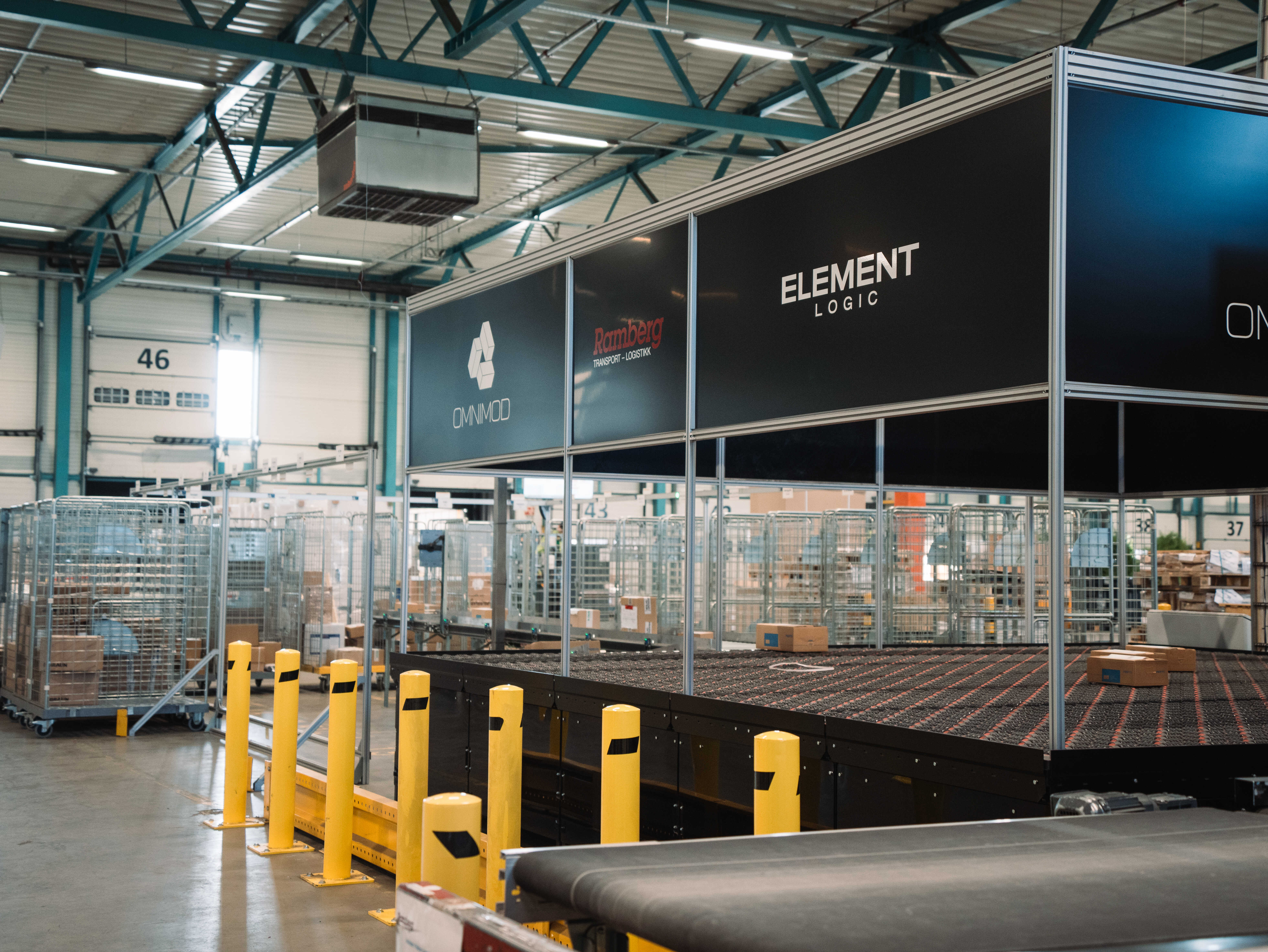
At Logistik & Transport Gothenburg last week, we demonstrated this across varied goods types and processes experienced in warehouses and distribution terminals.
Get in touch to explore what AI-driven flow with human oversight looks like in practice 🚀

Curious what this looks like on a real site?
See the deployments running today, or tell us about the bottleneck you are trying to solve.
